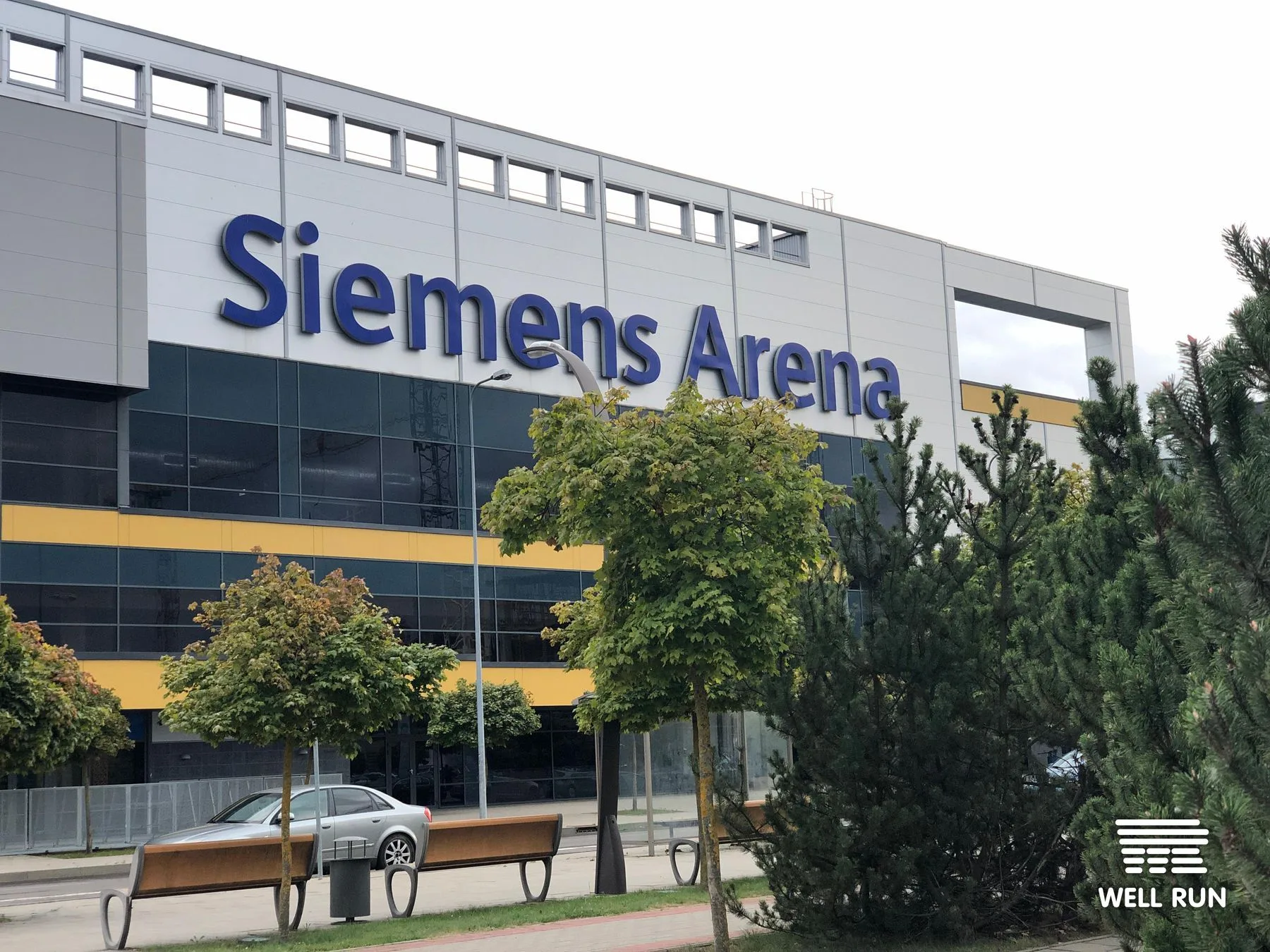
Eight cameras, one review, a trophy on the line — RRM at full capacity
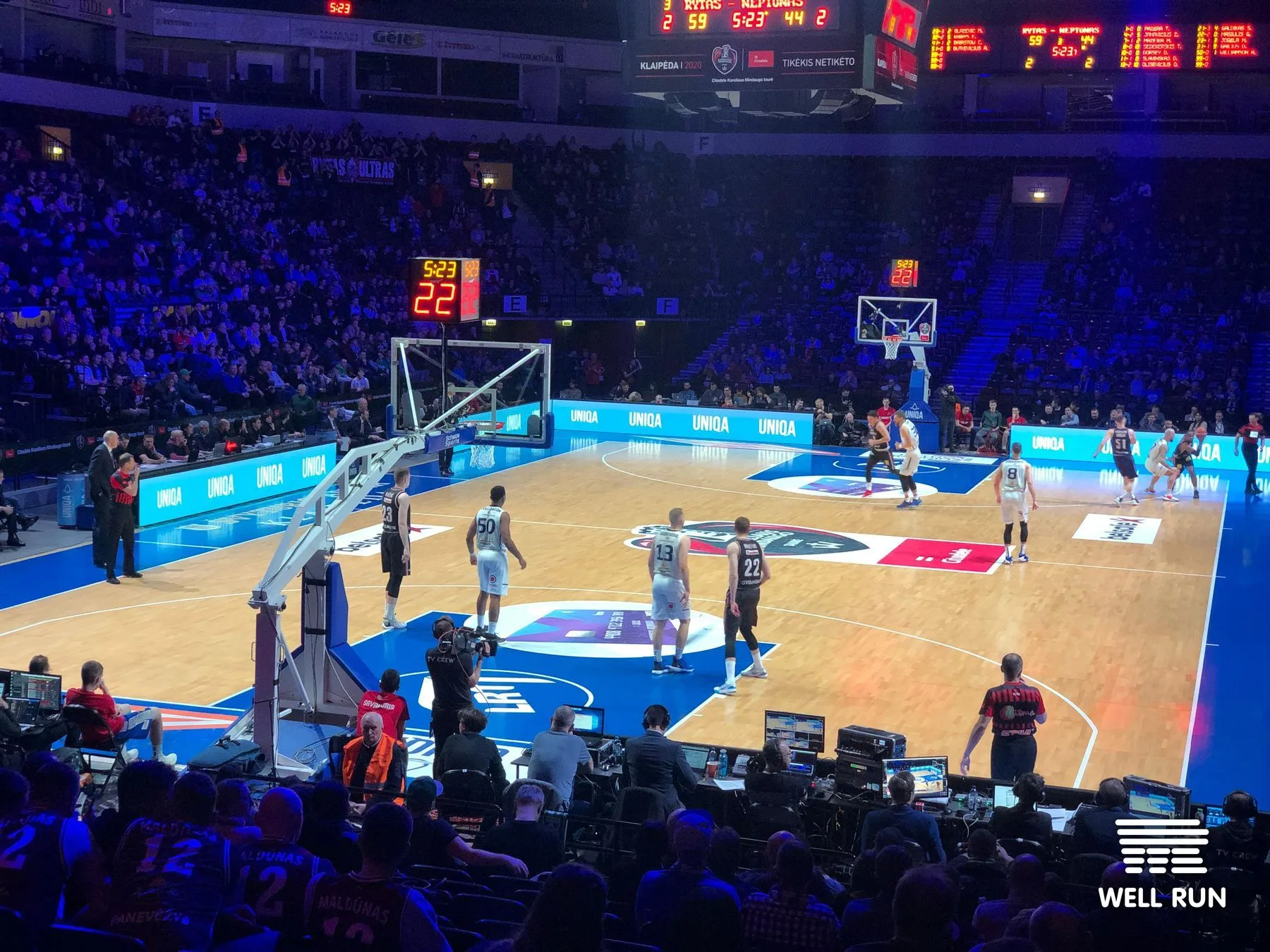
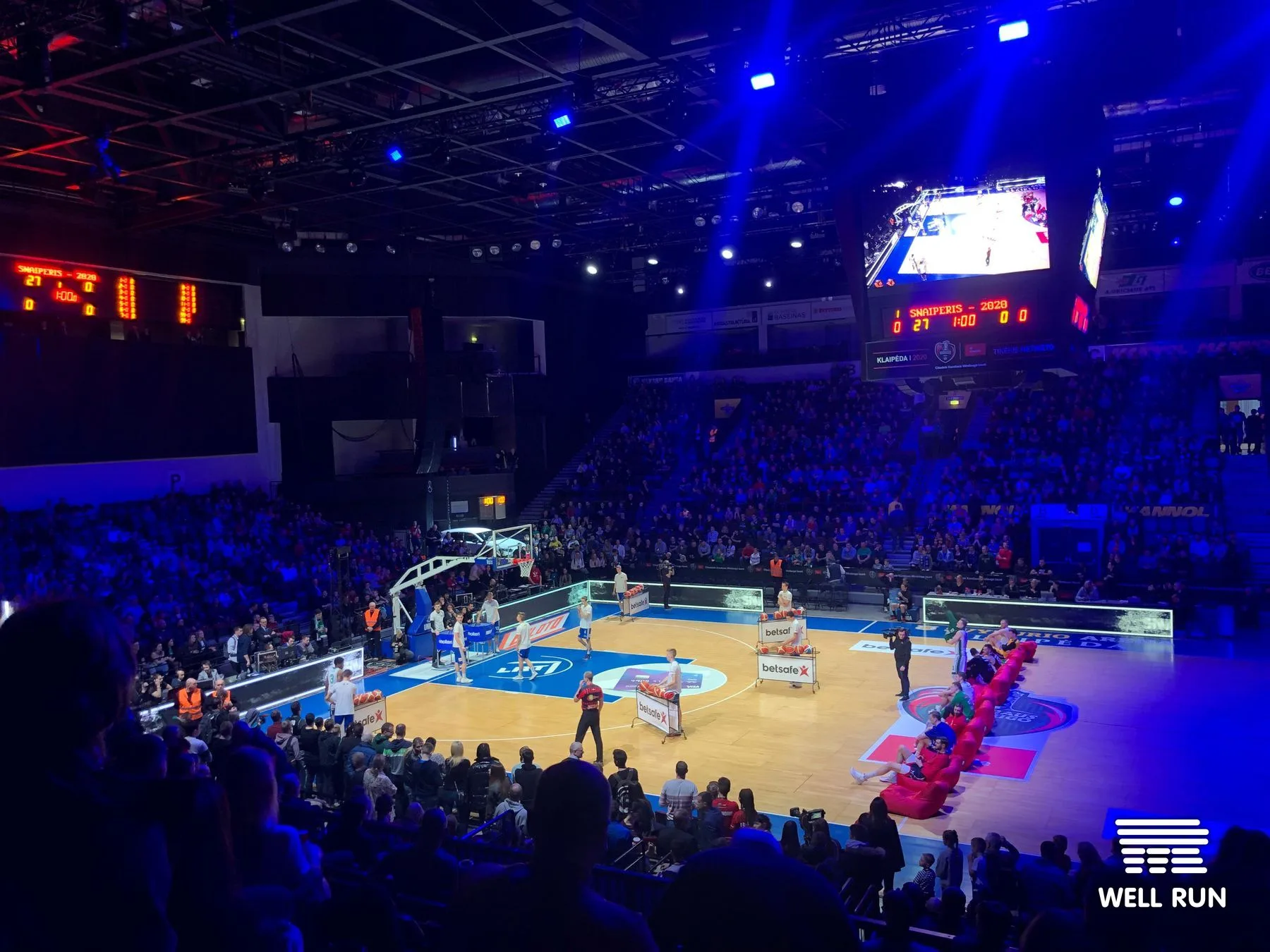
The 2020 Citadele King Mindaugas Cup Final Four ran RRM at full input capacity in live competition — operated entirely by the LKL's own head of referees.
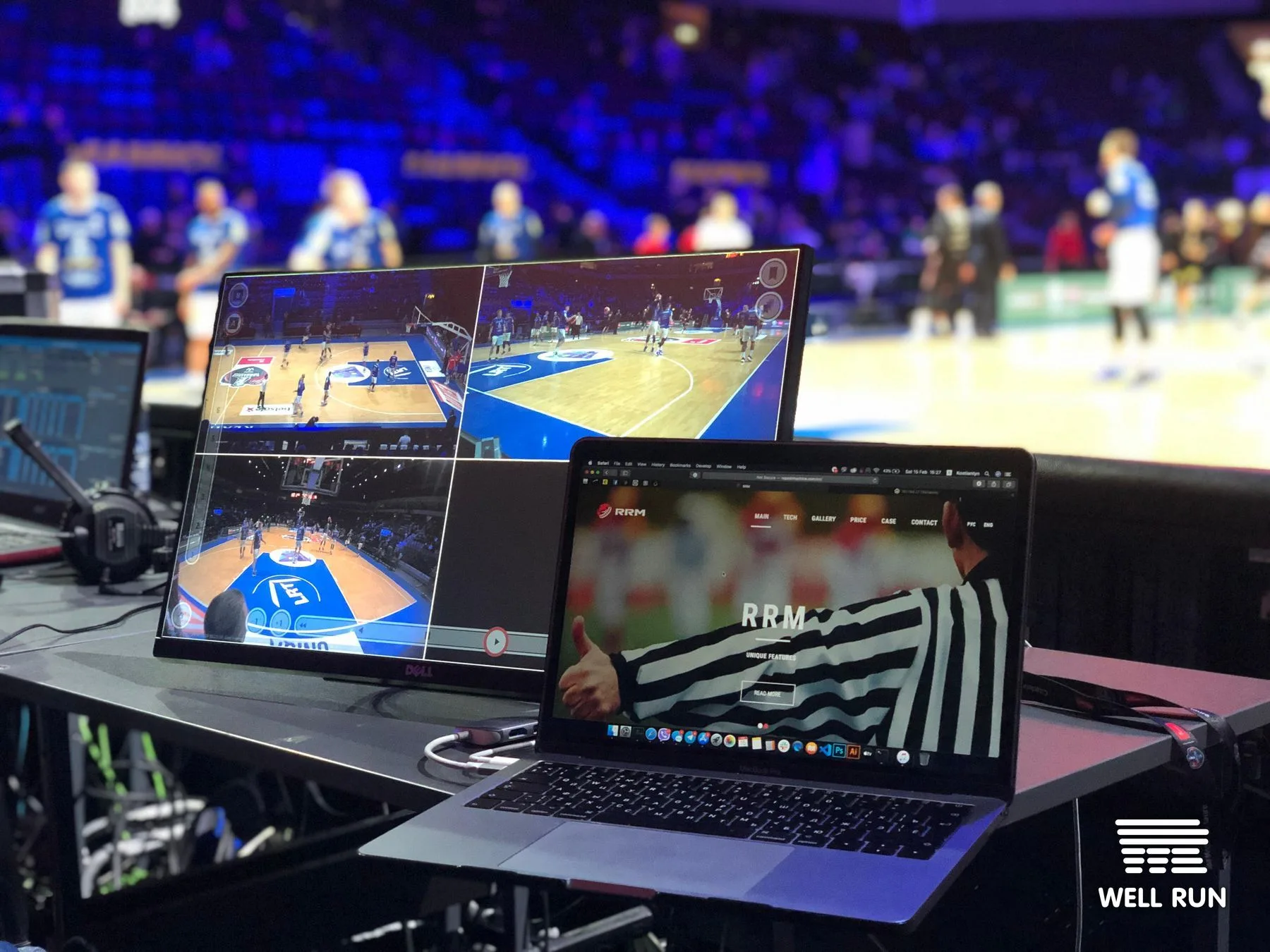
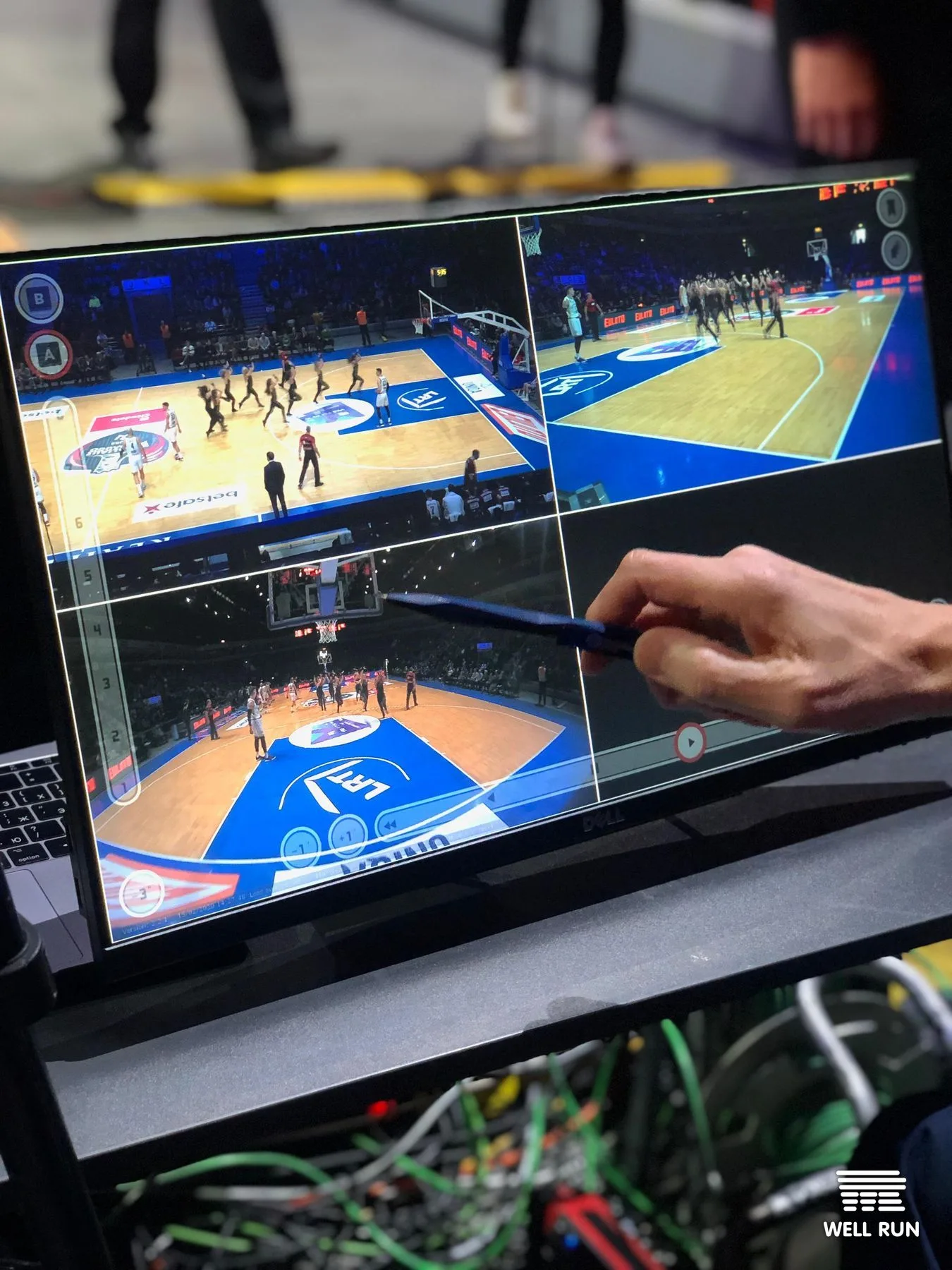
RRM ran both days of the LKL cup Final Four at full capacity — eight frame-synchronised cameras, the referee's active view live into the broadcast via SDI, and a real contact-decision review called and upheld during play.
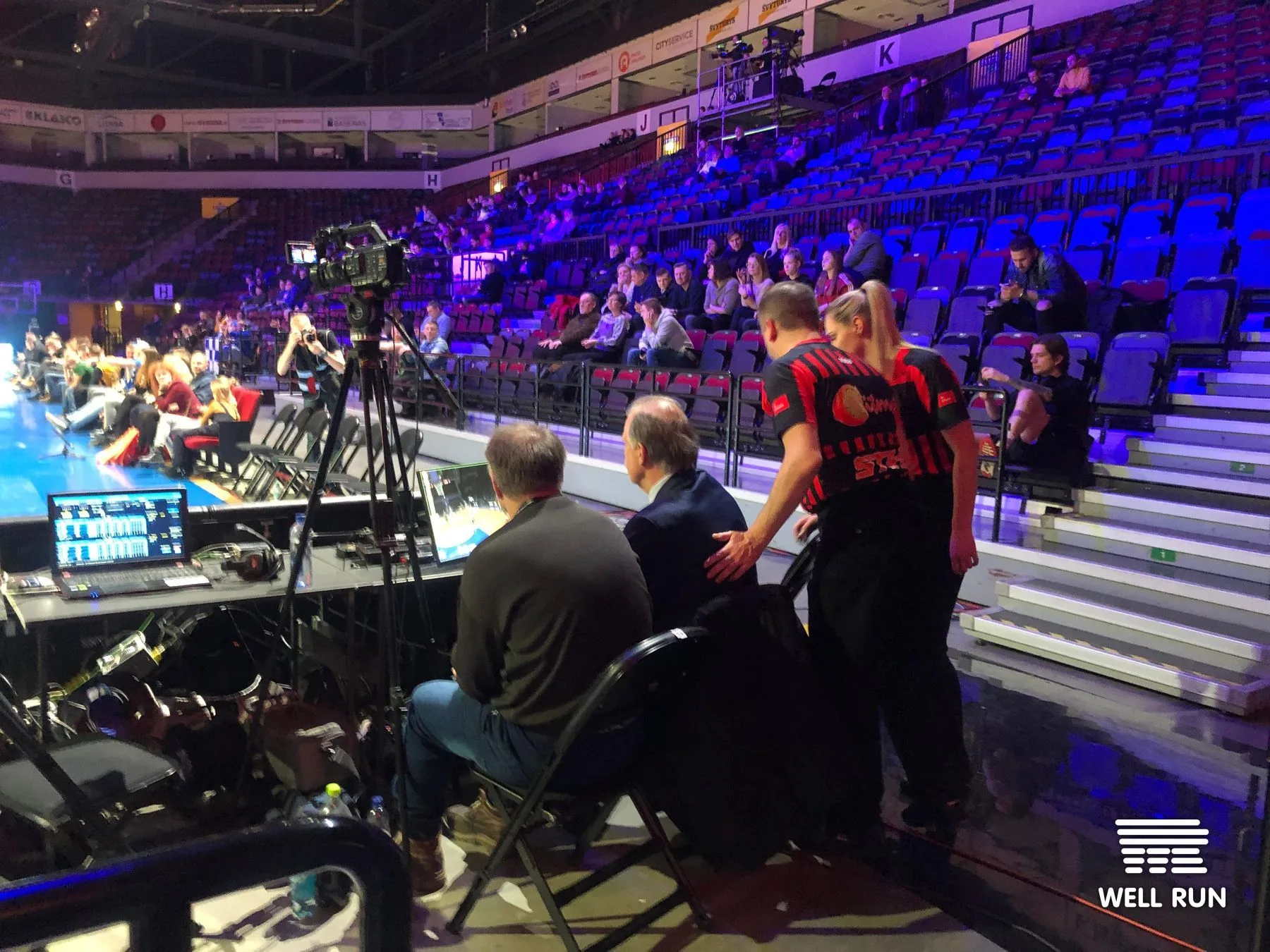
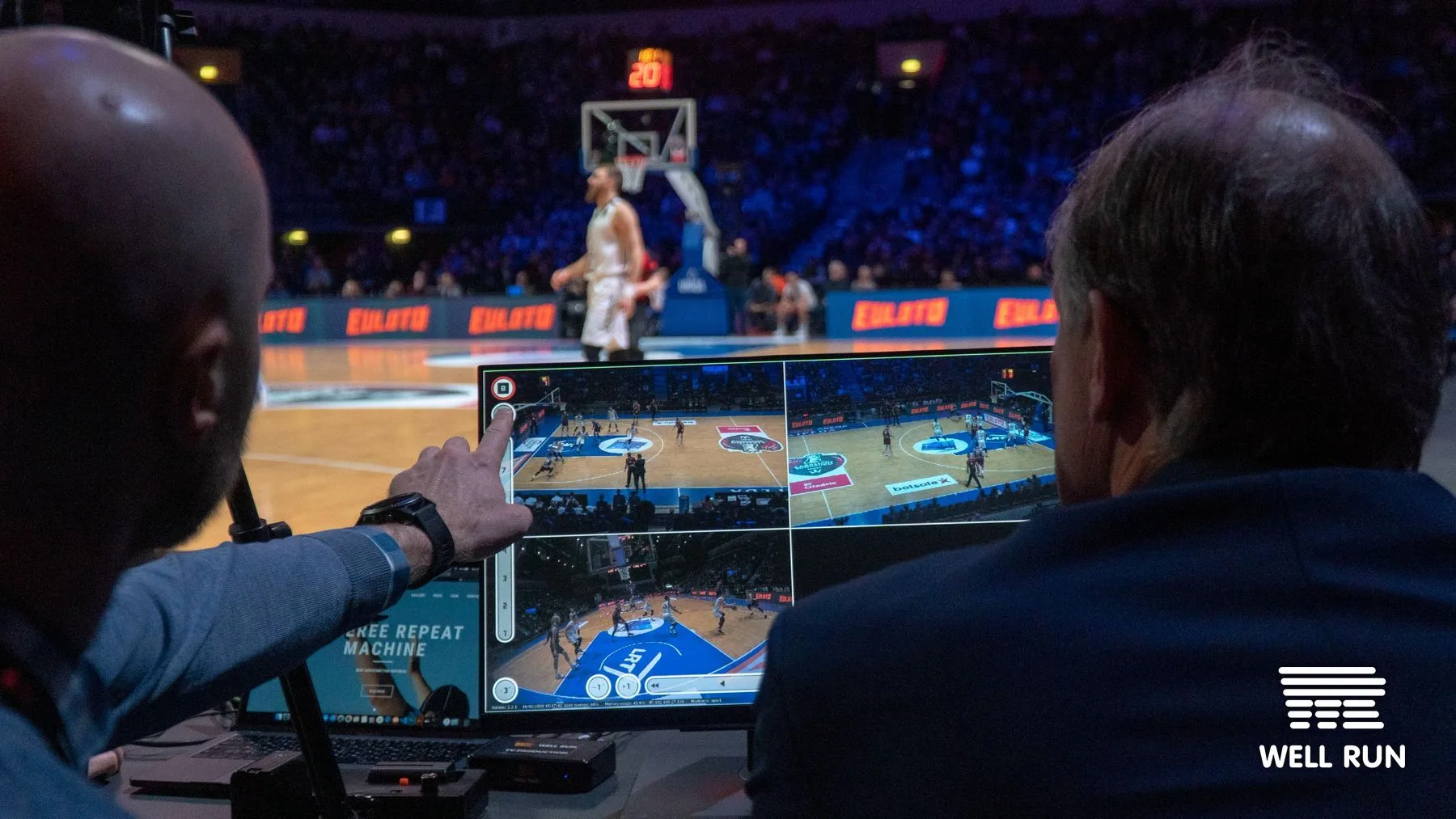
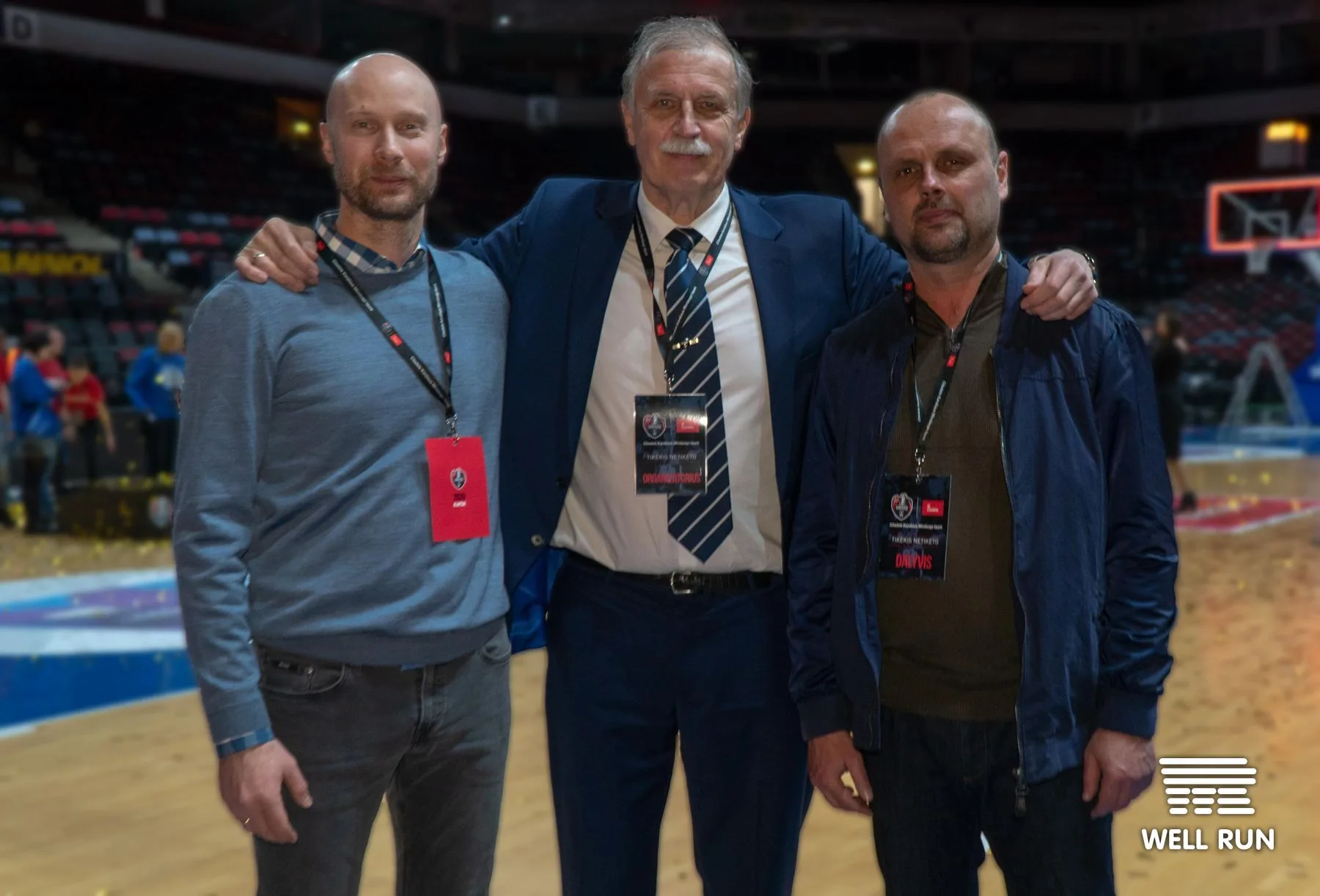
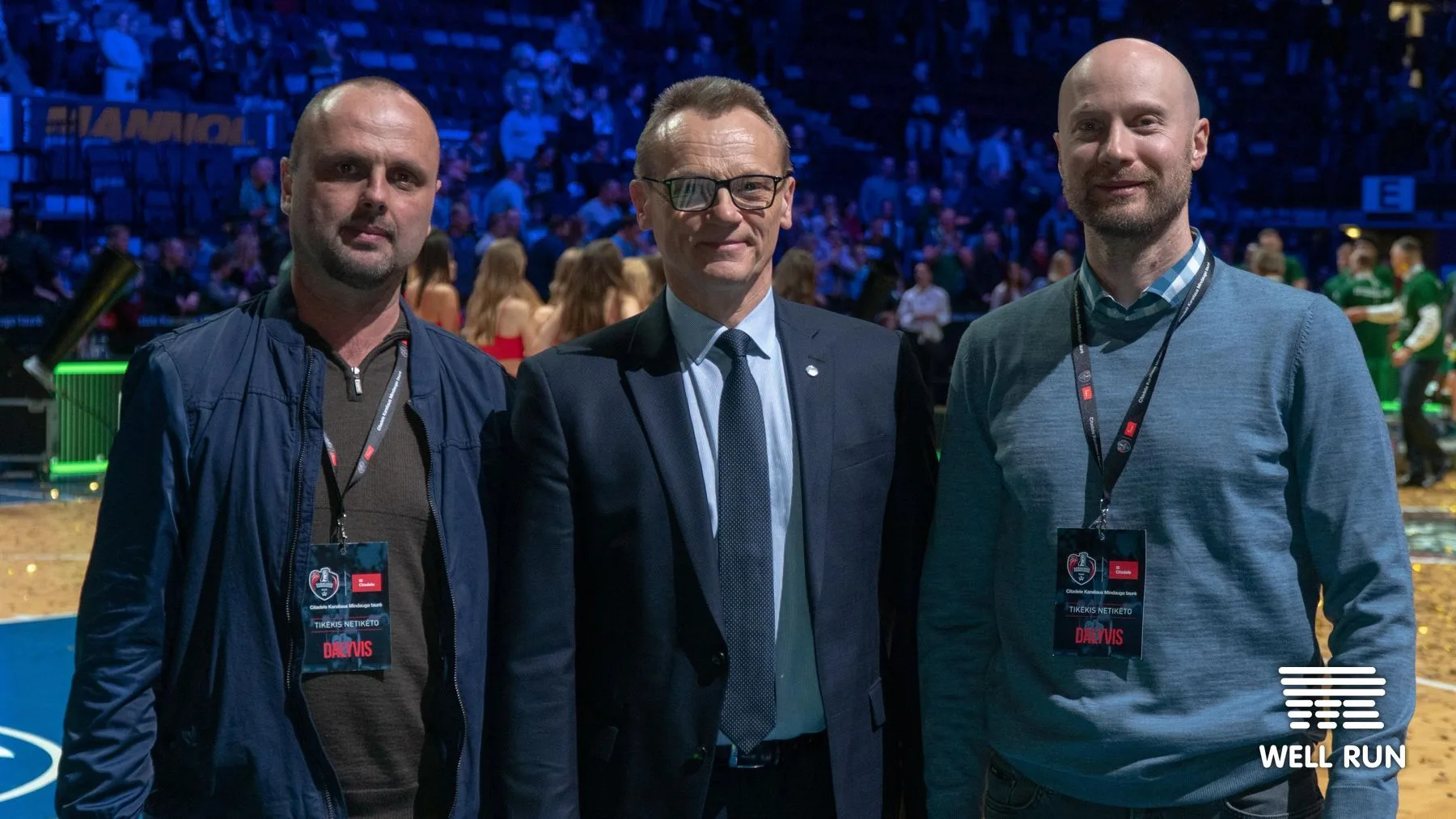
Algimantas Pavilonis, the LKL's head of referees, operated the system throughout. Well Run was on site; no one from our team was at the controls.
The LKL wanted to run video review at the 2020 Citadele King Mindaugas Cup Final Four — both semifinals on 15 February and the final on 16 February — at RRM's full input capacity of eight cameras. The requirement went further than a controlled test: the system had to hold up under genuine competition pressure, operated not by us but by the league's own head of referees.
The SDI output — carrying the referee's active view directly into the broadcast — had been built following a site visit in September 2019. An earlier version of RRM had already run official games in Ukraine. This was the first time the LKL put it into its own competition. Every angle had to stay in frame sync across two full days, with a real trophy at stake and FIBA officials present.
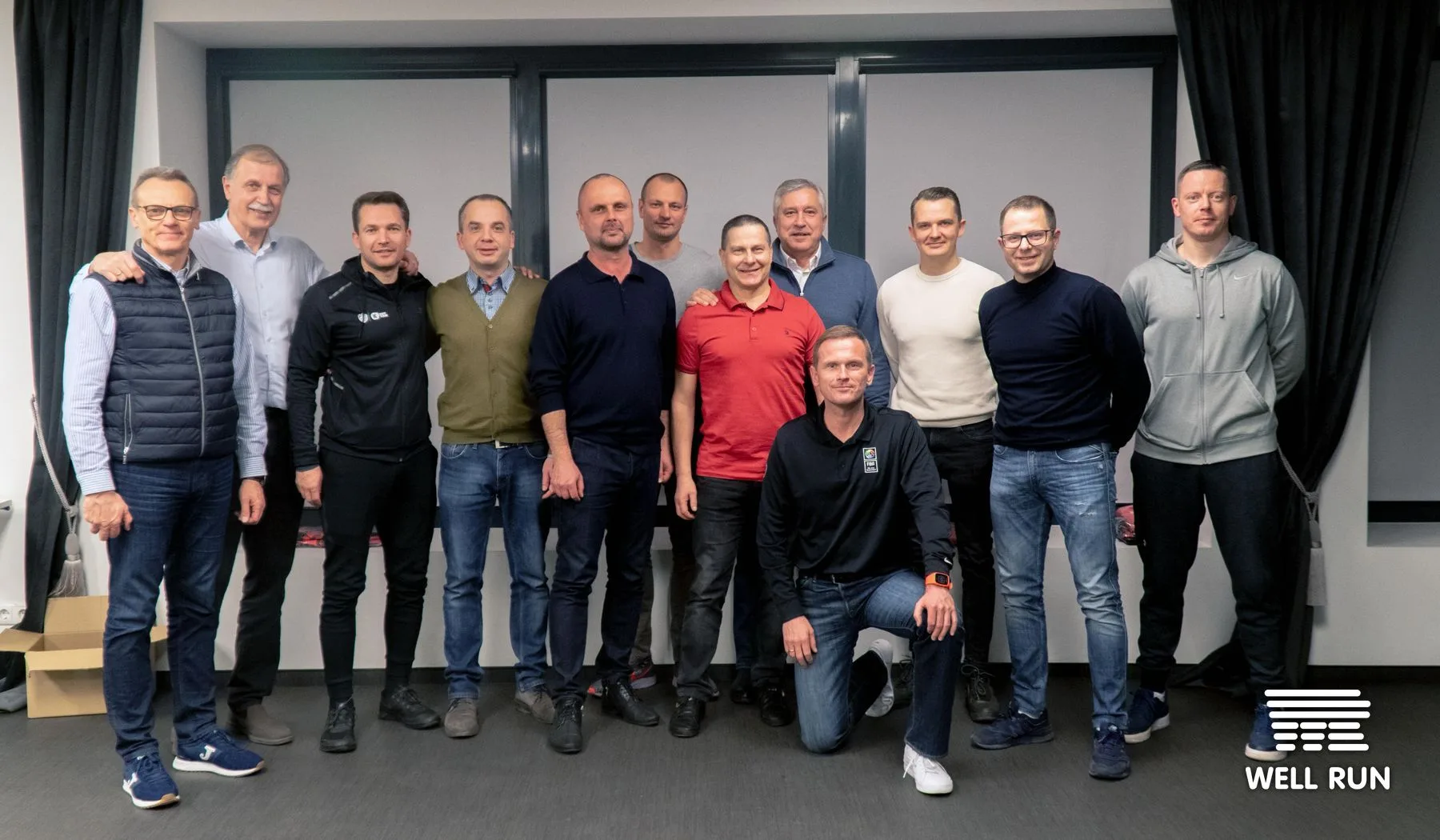
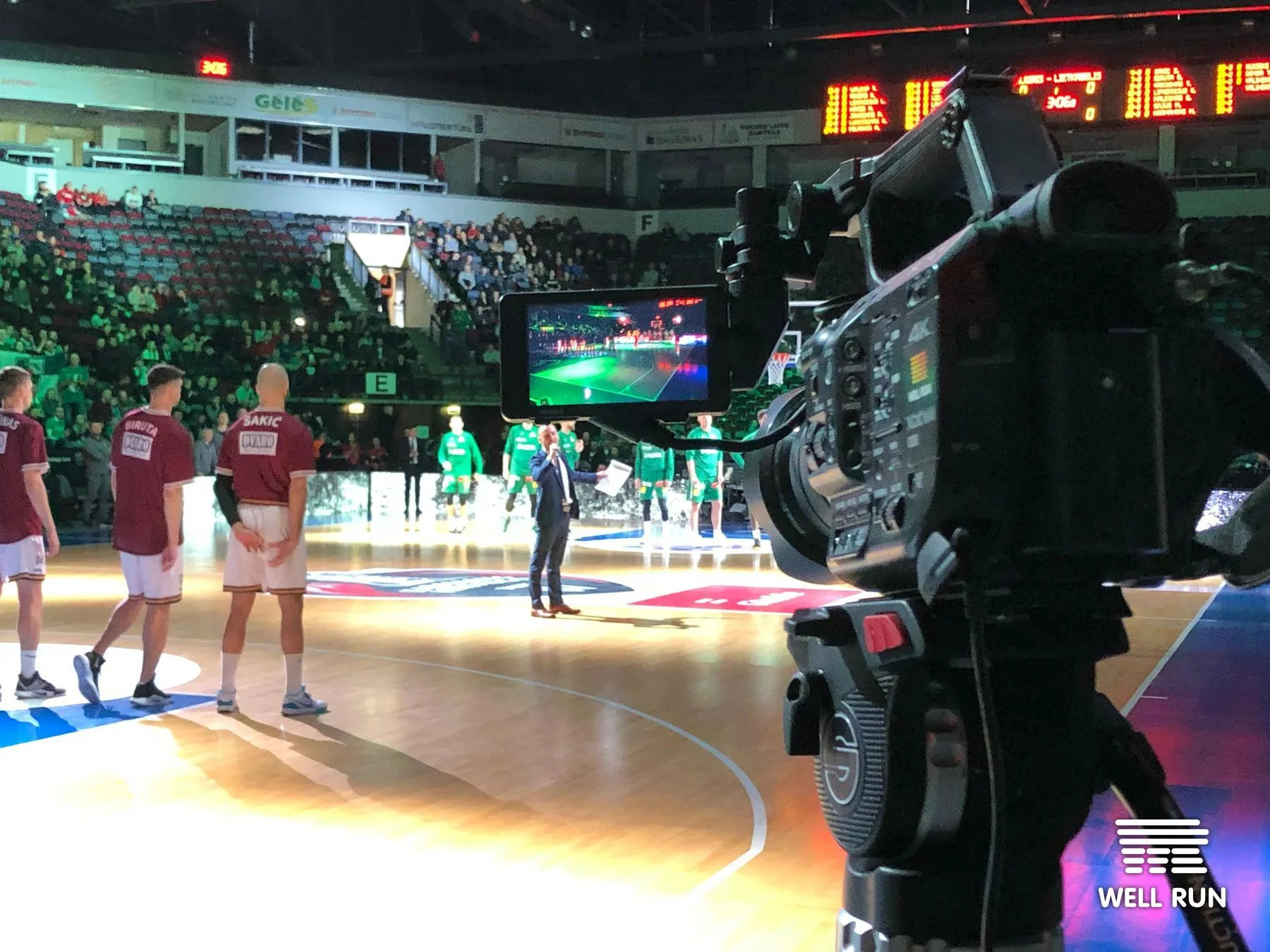
We opened with a working session for LKL and FIBA officials — walking through exactly how the review process would run across both days: which feeds, how angles were navigated, what the SDI output would carry to the broadcast.
RRM ingested all eight camera feeds at full input capacity and held them in frame sync from the first semifinal through to the end of the final. The review touchscreen sat at the officials' table; the LKL's head of referees had full control.
The SDI output built after the September visit fed the referee's active view directly into the broadcast production — giving viewers the same angles officials were working through, in real time.
During play, a contact decision triggered a review. Officials navigated the synchronised angles, identified the conclusive feed, and returned a decision the replay clearly supported. The system was used exactly as designed, with a final on the line.
Well Run was on site across both days. No one from our team was at the controls. The LKL's head of referees operated RRM throughout — which was the point: a system the league could own and run independently.
A real review, a real decision, upheld — with no one from our team at the controls.
Kostiantyn Moseichenko — Well Run


RRM completed two full days of cup competition at maximum capacity — eight cameras in frame sync, a live SDI feed into the broadcast, and a real refereeing decision delivered under competitive pressure.
The deployment confirmed the system was ready for independent adoption. The LKL subsequently took two complete kits — cameras, cabling, mounts, and the review system — delivered as working installations. The league's head of referees had already operated it in a cup final. There was nothing left to prove.
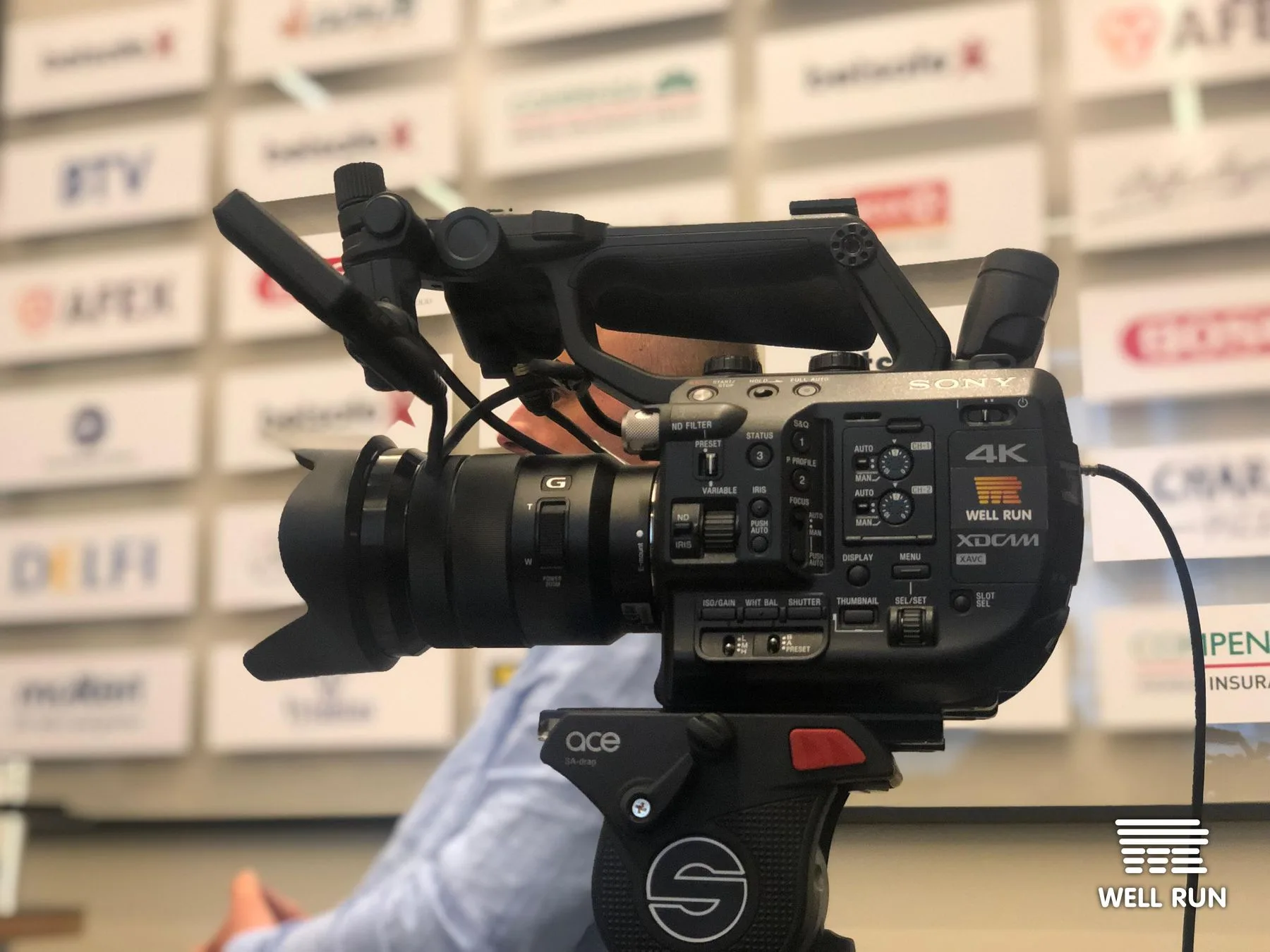
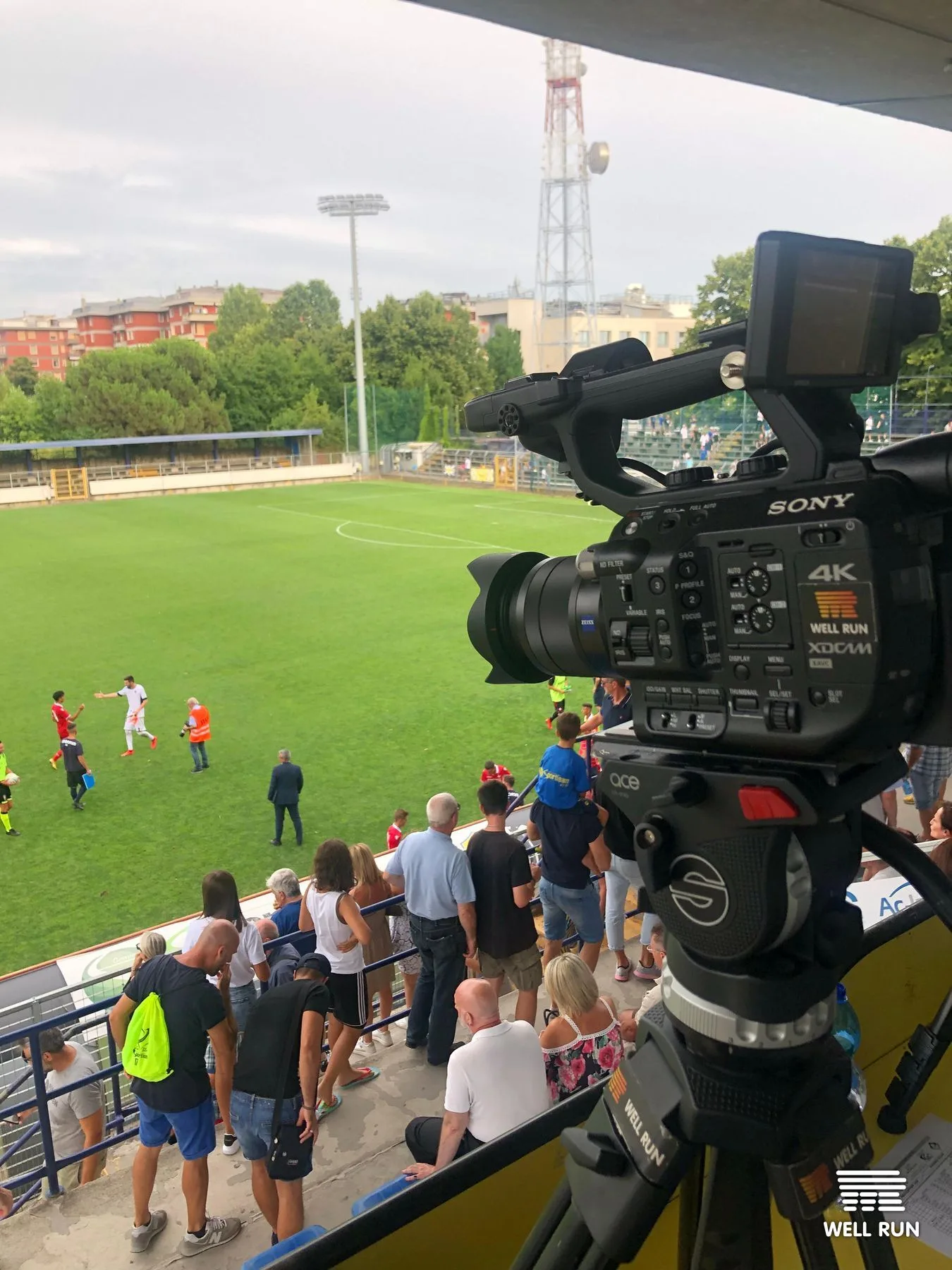
RRM runs up to eight frame-synchronised camera feeds — the full input capacity used at the LKL King Mindaugas Cup Final Four.
Yes. At the Cup Final Four, the LKL's own head of referees, Algimantas Pavilonis, operated the system throughout. We were on site for both days, but no one from our team was at the controls during competition.
It does. The system carries the referee's active view via SDI output directly into the broadcast production — giving viewers the same angles officials are reviewing, in real time. The SDI output was built after our September 2019 visit to Vilnius.
Following the Final Four, the LKL adopted two complete RRM kits — cameras, cabling, mounts, and the review system — delivered as working installations, ready to operate independently.
The service behind this case
Our video review system for sports officiating — frame-accurate, multi-angle, operated by the referee without a technician.
We'll walk you through how it runs — the system, the setup, and what adoption looks like for your officials.