Guide

Do You Need Two Separate Vendors for Event Filming and an Aftermovie?

One shoot, two deliverables: how a planned two-camera setup gives you the full event record and the aftermovie without doubling your budget or your briefing overhead.
The short answer

Yes. A two-camera setup — one locked-off camera for the full recording, one on a gimbal for dynamic coverage — captures everything you need for both deliverables in a single shoot. You get the complete event record and a polished aftermovie without hiring two separate crews.

01

Why do most corporate clients end up with two vendors for one event?

The default assumption is that a full event recording and an aftermovie need different approaches — one crew locked on the stage, another roaming for atmosphere. So the brief gets split, two vendors get hired, and the coordination overhead doubles.

The real problem is not the deliverables. It is the camera plan. If the setup is designed from the start to serve both outputs, one crew and two cameras are enough. The split happens because most vendors are briefed on one deliverable at a time, not on the full picture.

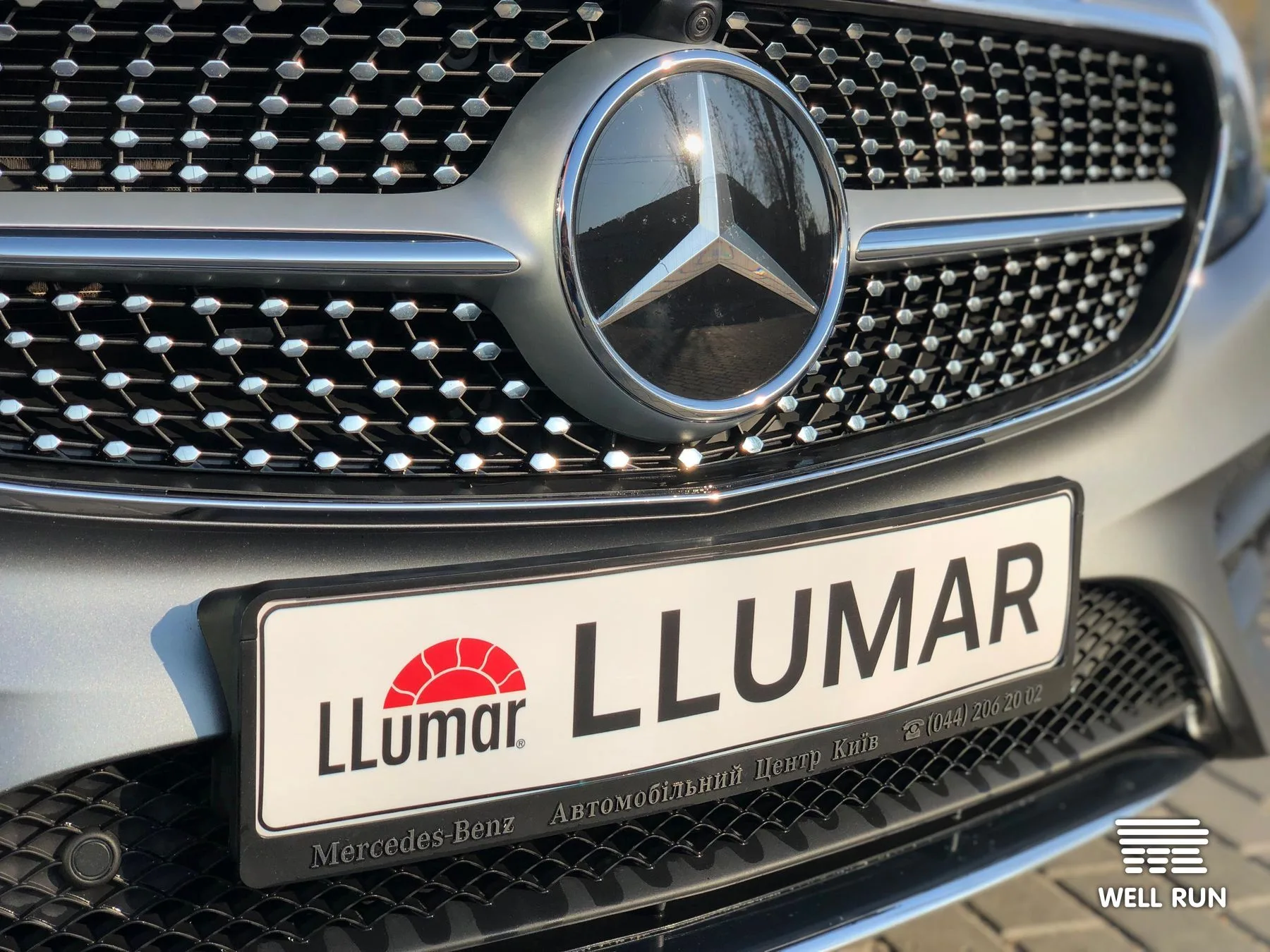
Close-up of Mercedes-Benz front grille with LLumar promotional licence plate, Kyiv
LLumar branding on a Mercedes-Benz in Kyiv
02

How does a two-camera setup cover both deliverables?

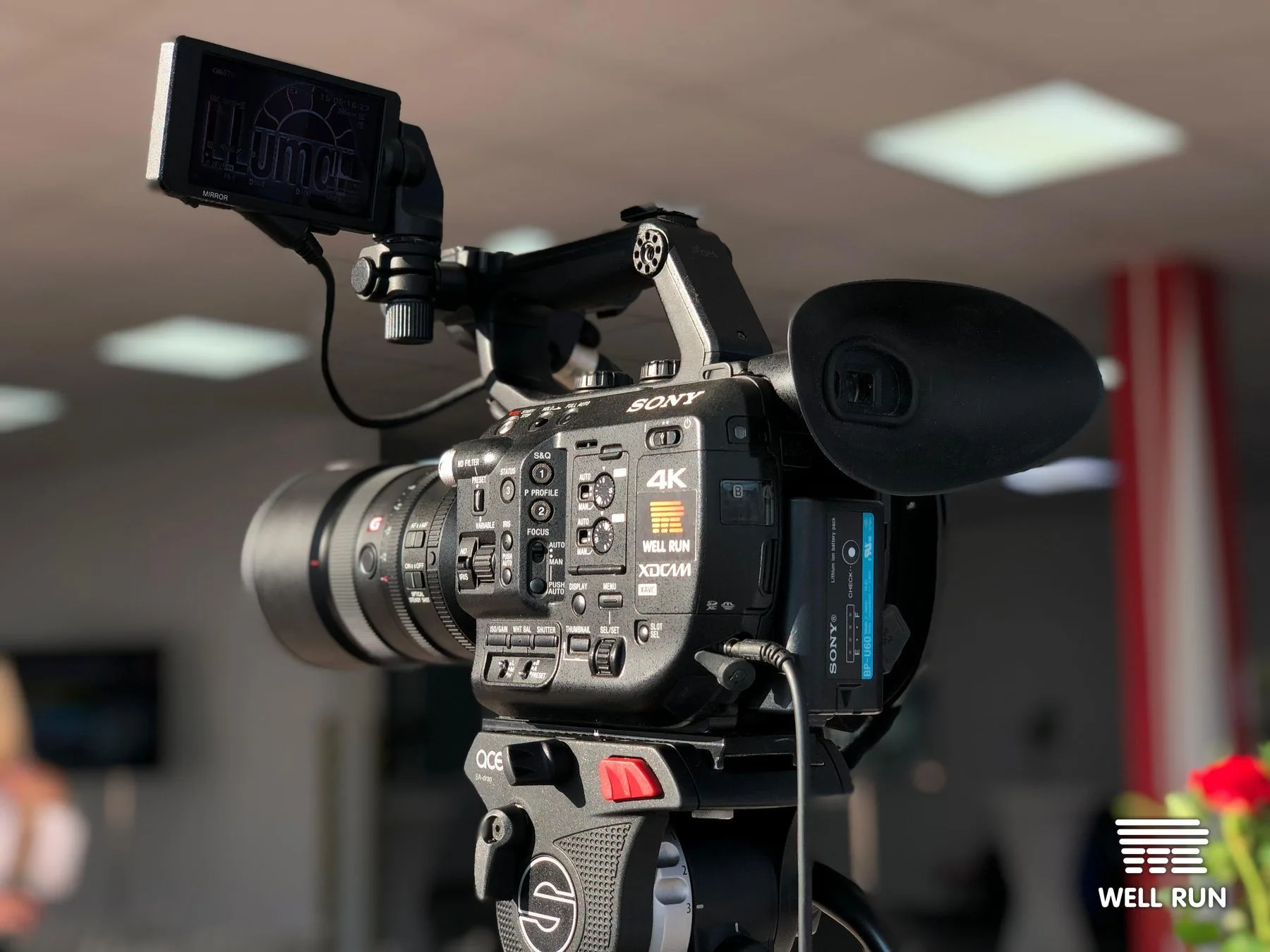
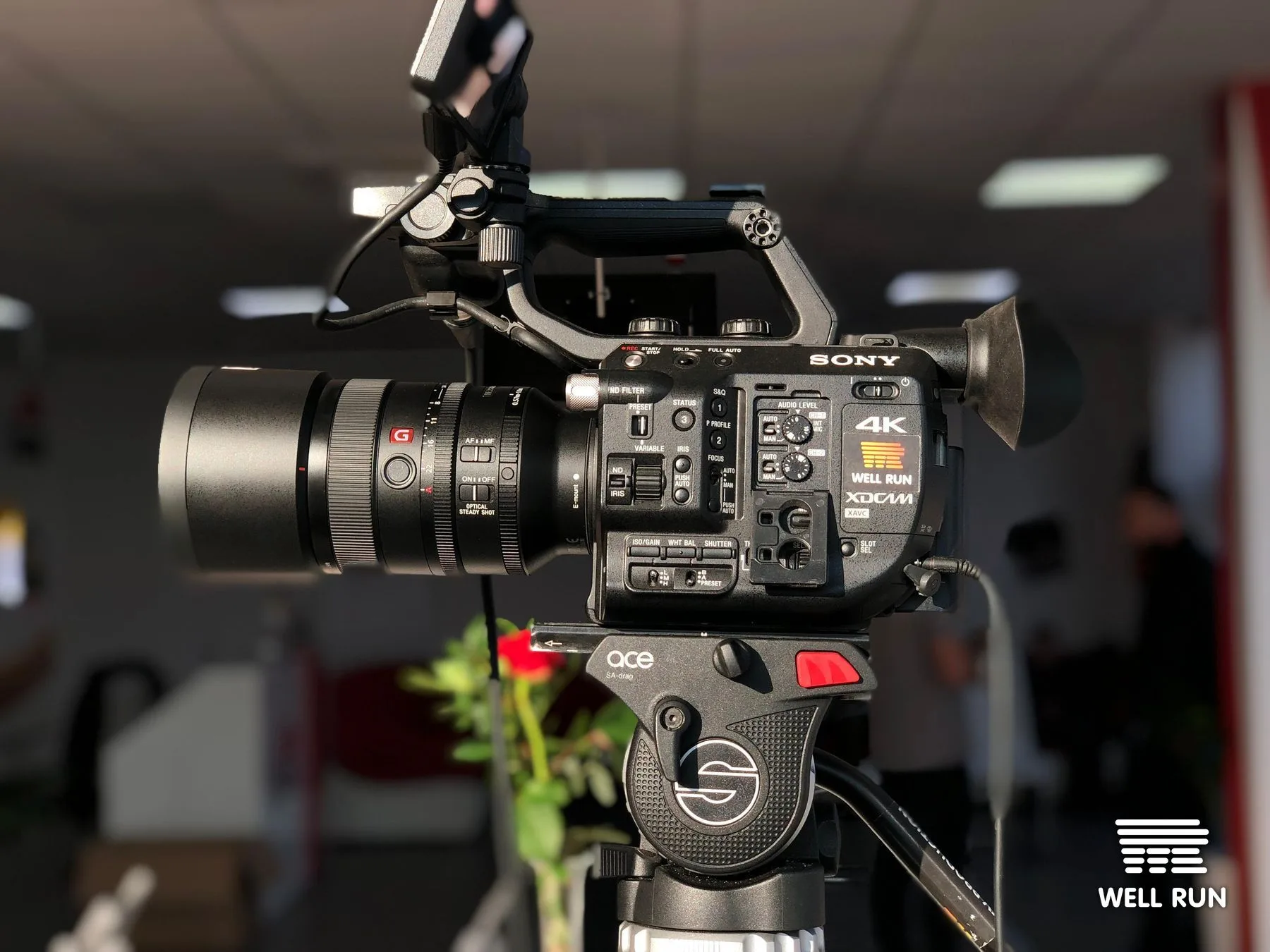
The approach is straightforward. One camera — in our Llumar workshop in Kyiv, a Sony FX5 on a static rig — runs continuously and captures the full event from a clean, stable angle. That footage becomes the complete recording: every speaker, every segment, nothing missed.

The second camera works on a gimbal. It moves through the room, picks up reactions, details, and the energy of the space. That footage feeds the aftermovie edit — the short, shareable film that communicates what the event felt like, not just what was said.

Because both cameras are operated by the same crew under one brief, the footage is consistent in colour, exposure, and intent. There is no mismatch between the two deliverables, and no briefing gap between two vendors who have never spoken to each other.

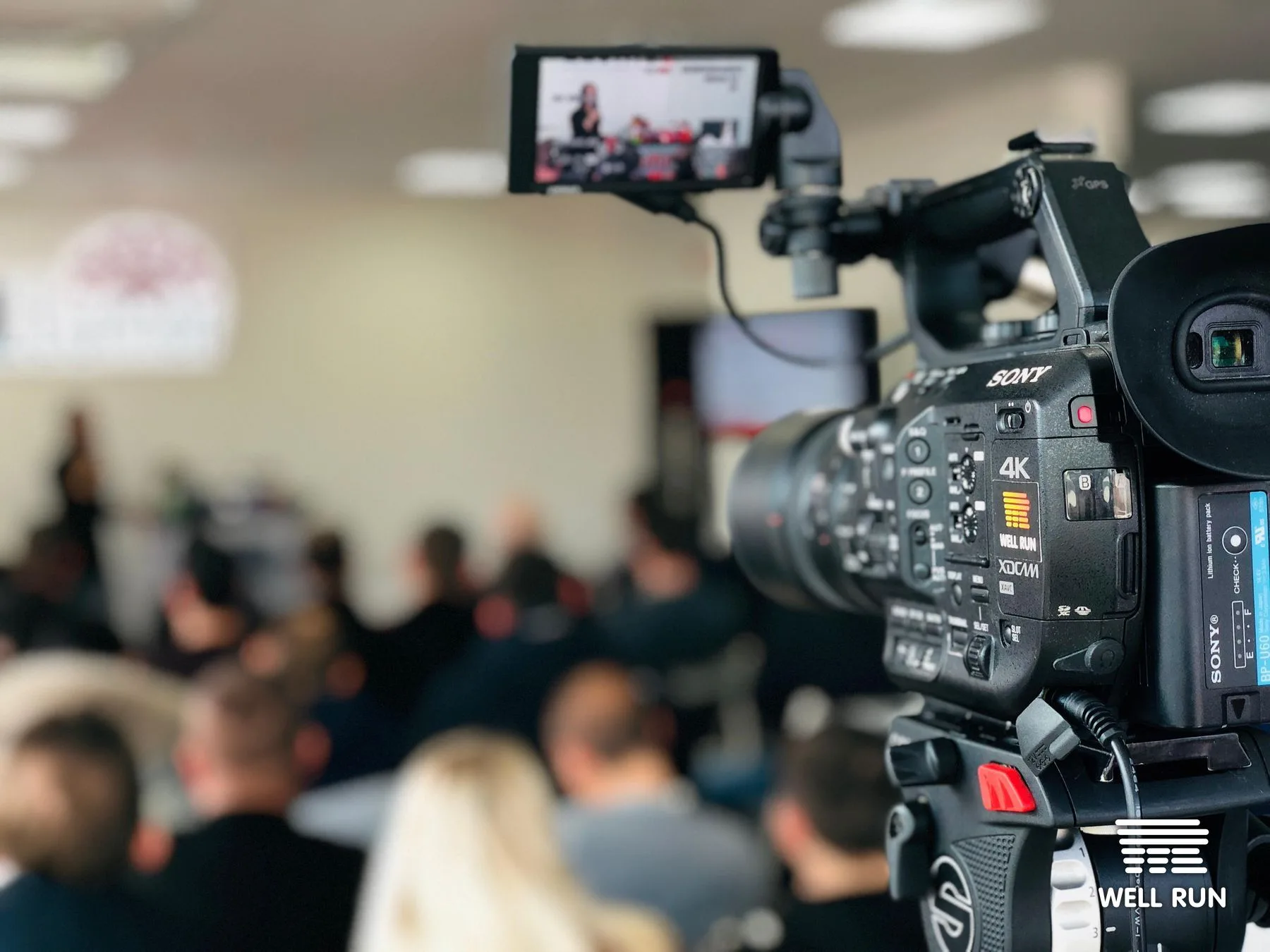
Sony 4K XDCAM camera on rig filming blurred seated audience at indoor Llumar event, Kyiv
Two-camera setup capturing the Llumar event live in Kyiv
03

What does the client actually receive?

Two distinct deliverables from one engagement:

  • Full event recording — the complete, uncut workshop captured on the static camera. Useful for internal review, compliance, training, or on-demand access for attendees who could not be present.
  • Aftermovie — an edited short film built from the gimbal footage, cut to communicate the atmosphere and key moments of the day. Designed for external channels: social media, a website, a follow-up email to attendees.

Both come from the same shoot, the same brief, and the same post-production workflow. One conversation, one invoice, one point of contact through delivery.

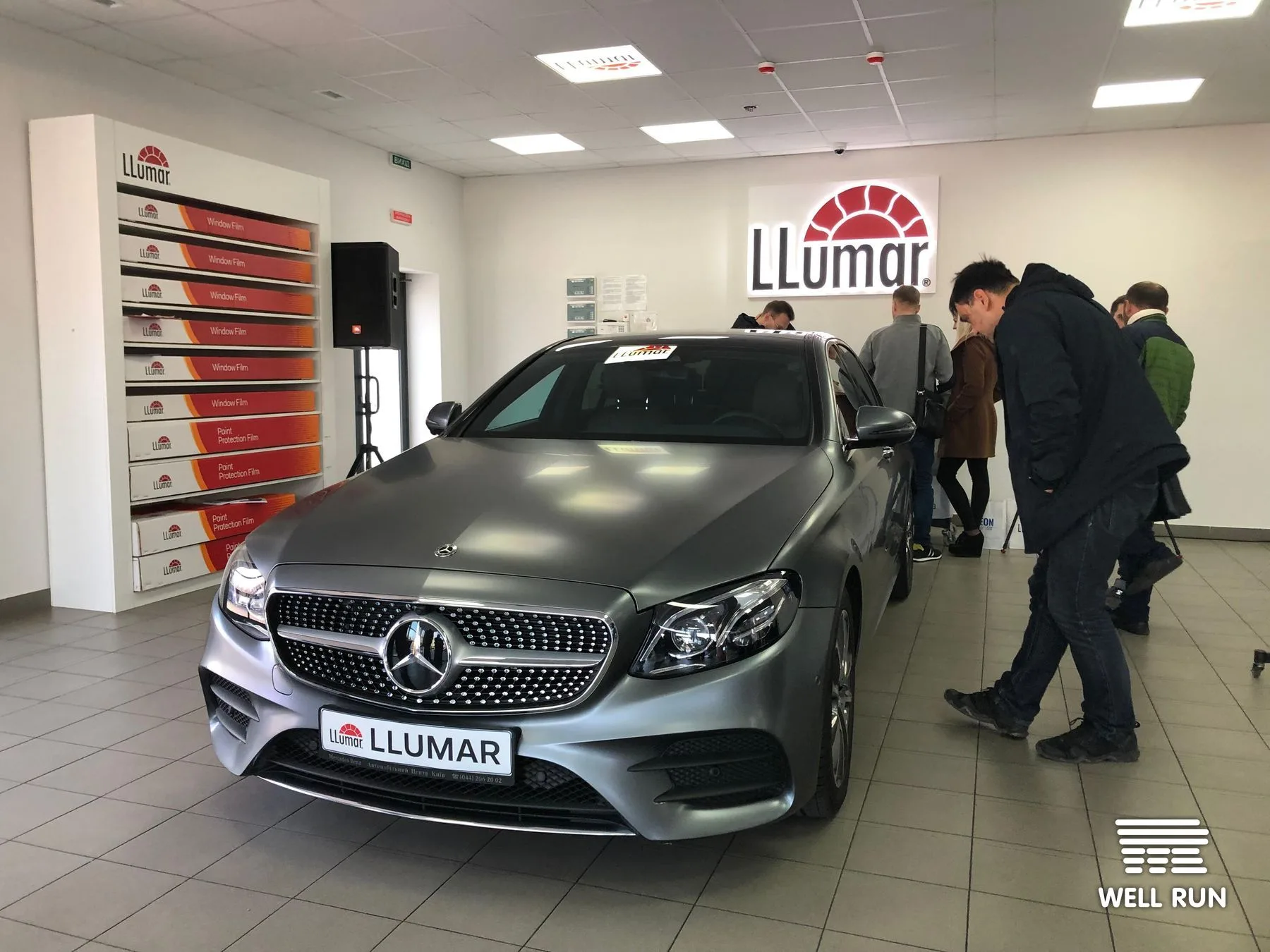
Silver Mercedes sedan on display inside LLumar Kyiv showroom, guests examining the car
LLumar Kyiv showroom launch featuring a branded Mercedes display
04

When does this approach work, and when does it not?

A two-camera setup covers most corporate workshops, seminars, product launches, and internal events where the action is concentrated in one room. If your event runs across multiple simultaneous rooms, or if you need broadcast-quality multi-feed switching for a live audience, the camera count and crew scale accordingly.

The principle stays the same: design the setup around all the deliverables you need before the crew arrives, not after. The camera plan is where the budget is either saved or wasted.

Sony 4K XDCAM camcorder on tripod with monitor and eyepiece, indoors in Kyiv
Sony 4K XDCAM rigged and ready for the Llumar Kyiv shoot
05

What should you ask a vendor before you book?

Three questions that separate a vendor who will deliver both outputs cleanly from one who will deliver one and improvise the other:

  • How will you cover the full recording and the aftermovie simultaneously? A clear camera plan — which camera does what, from where — is the answer. Vague reassurance is not.
  • Who edits the aftermovie, and when will it be delivered? The edit should start from a brief, not from whatever footage looks usable. Turnaround time matters: an aftermovie delivered three weeks after the event has lost most of its value.
  • Is post-production included, or quoted separately? End-to-end delivery means one price covers filming and editing. If the edit is a separate negotiation, you are not dealing with a full-cycle partner.
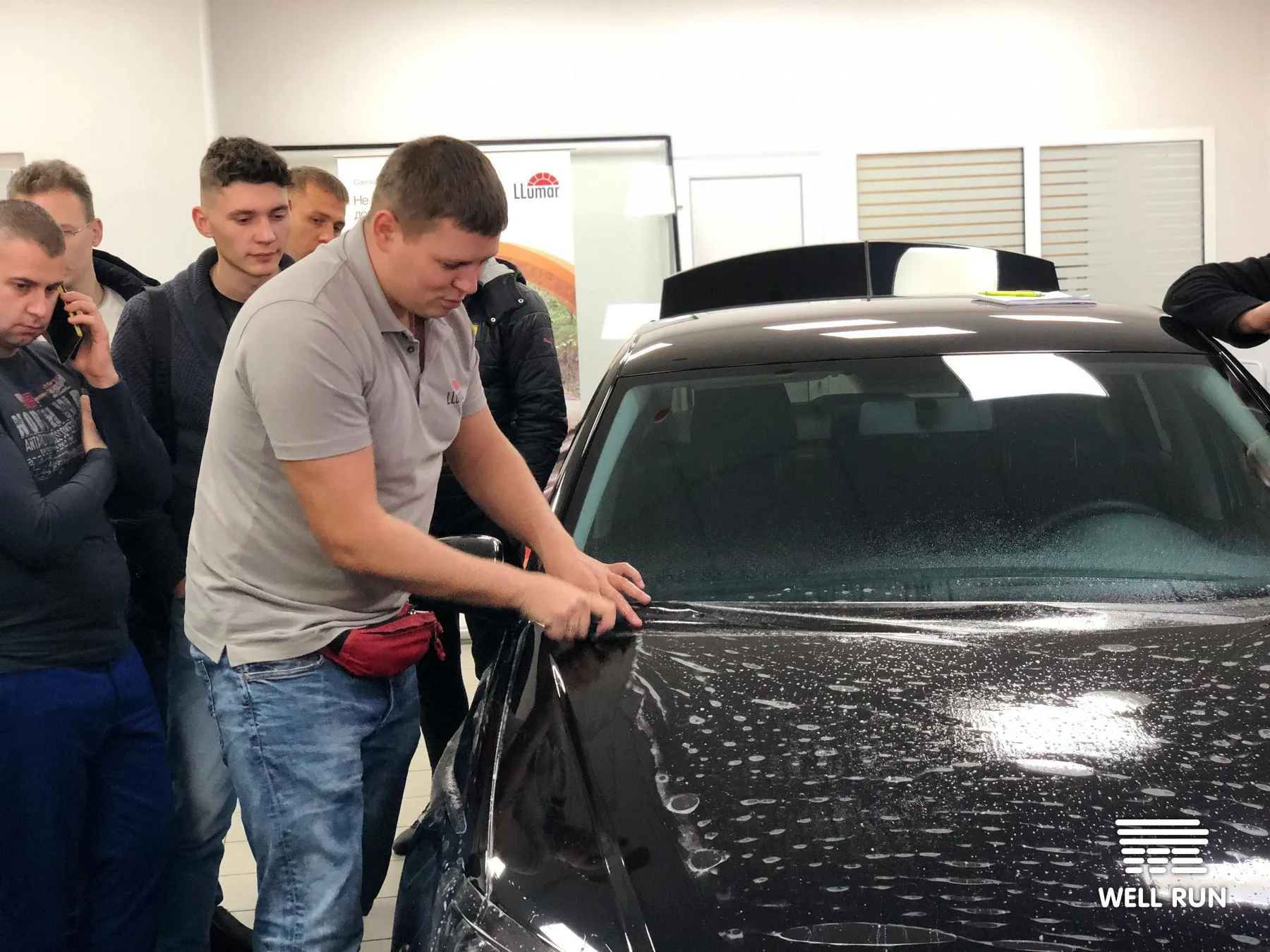
LLumar-branded instructor smoothing window tint film onto black car hood, group watching closely indoors
LLumar film application demo, Kyiv training session
06

How does Well Run handle this?

For the Llumar workshop in Kyiv, Kostiantyn Moseichenko and others arrived with a two-camera plan already matched to both deliverables. The Sony FX5 on a static rig ran the full recording. The gimbal camera covered the room for aftermovie material. Both outputs were produced from a single engagement.

That is the model we apply across corporate events: think through the deliverables before the shoot, build the camera plan around them, and deliver everything from one brief. No handoffs, no gaps, no second invoice for the edit.

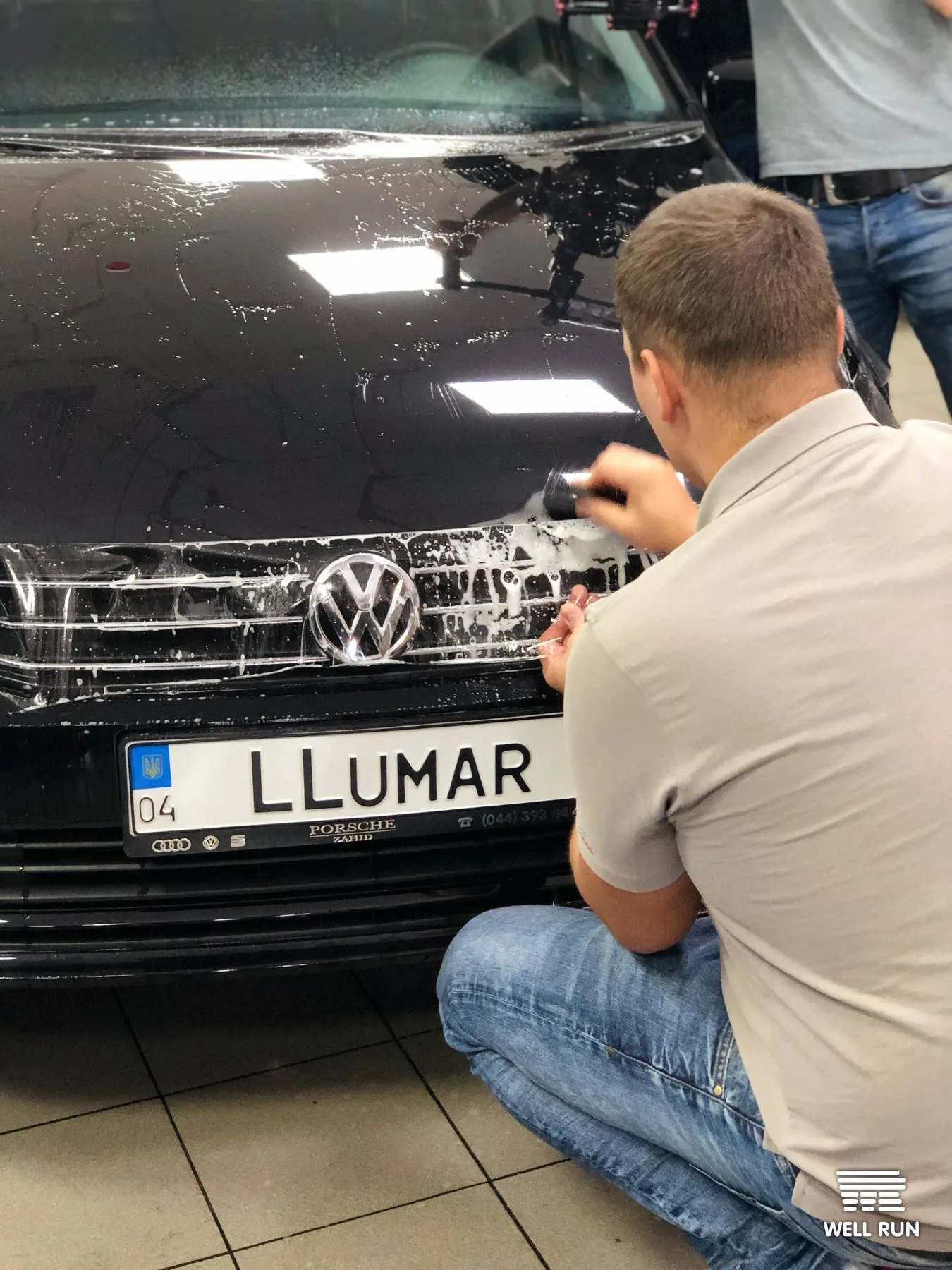
Man crouching applies soapy foam to black Volkswagen grille bearing LLumar licence plate
LLumar paint protection film prep on a black Volkswagen, Kyiv
Key takeaways
  • A two-camera setup — one static, one on a gimbal — covers both a full event recording and an aftermovie from a single shoot.
  • Splitting the brief between two vendors doubles coordination overhead and creates inconsistency between deliverables.
  • The camera plan is where the budget is saved or wasted: design it around all outputs before the crew arrives.
  • Ask for a clear camera plan and a confirmed edit turnaround before you book — vague reassurance is not a plan.
  • End-to-end delivery means one brief, one point of contact, and post-production included — not quoted separately.
Questions, answered

Can one crew really film a full event and produce an aftermovie at the same time?

Yes, with the right camera plan. One camera handles the continuous full recording; a second camera on a gimbal captures the dynamic footage the aftermovie needs. Both run simultaneously under one brief.

How long does it take to deliver an aftermovie after a corporate event?

Turnaround depends on the length and complexity of the edit, but a well-planned shoot with a clear brief makes fast delivery possible. Ask your vendor for a confirmed delivery date before the event, not after.

What is the difference between a full event recording and an aftermovie?

A full recording is the complete, uncut capture of the event — every speaker and segment. An aftermovie is a short edited film that communicates the atmosphere and key moments, designed for social media, a website, or attendee follow-up.

Do I need to brief the filming crew and the edit team separately?

Not if you work with a full-cycle partner. When the same team handles filming and post-production, the brief travels through the whole workflow without a handoff — which means fewer gaps and a more consistent result.

What camera setup is typical for a corporate workshop?

A two-camera setup covers most single-room corporate events: one static camera for the full recording, one moving camera for aftermovie coverage. Larger or multi-room events scale the camera count accordingly.

Is post-production usually included in an event filming quote?

It depends on the vendor. Always confirm before you book whether the edit is included or quoted separately. A full-cycle engagement covers filming and post-production under one agreement.

How Well Run can help

Video and Photo Production

Full-cycle video production for corporate events — filming, editing, and delivery from one brief. No handoffs, no gaps.

Your project next

One brief. Full event record and aftermovie delivered.

Tell us what you need from your next event and we will build the camera plan around it.